
Rapid Pulse Carbonisation
Mixed waste in. Carbon black and clean water out.
A sealed catalytic vessel that carbonises unsorted mixed waste at 500 °C and 10 bar. No combustion, no ash, no secondary waste.
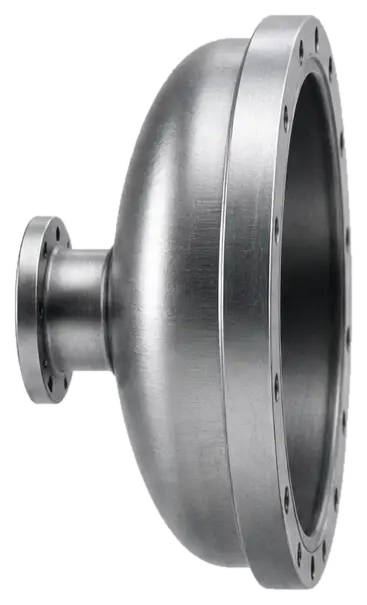
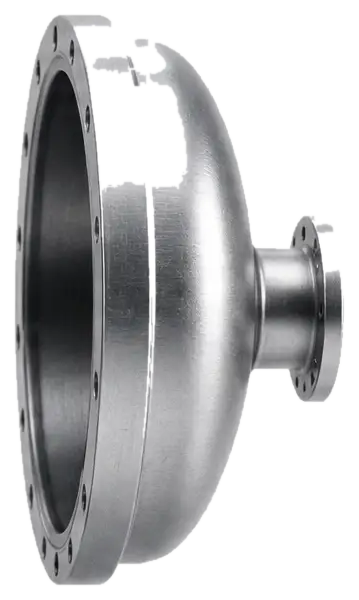
Sealed pressure, about 10 bar
A pressure-resistant vessel with sealed material transfer at both ends. Nothing leaks in, nothing leaks out.
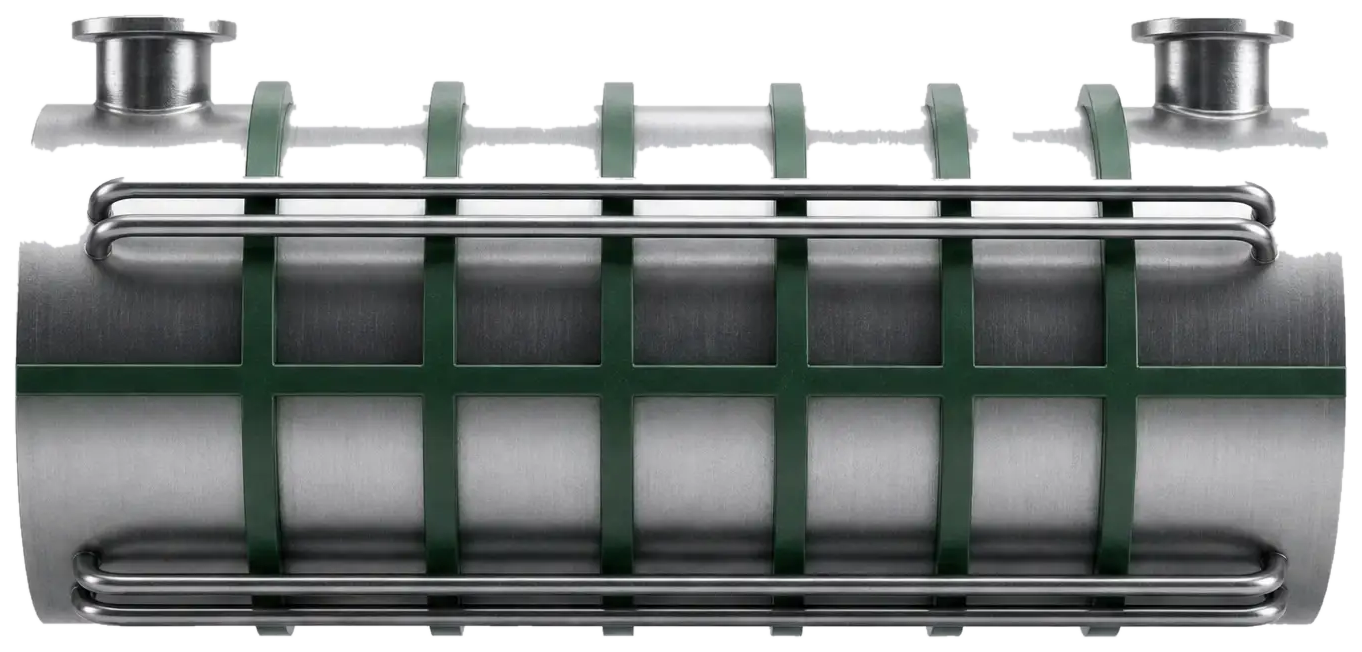
Controlled heat, about 500 °C
Indirect electric heating around the vessel. Heat moves through the reactor wall. No flame ever touches the material.
Catalyst-assisted process
Prepared feed enters after uniform catalyst mixing, so the reaction runs the same on every batch.
Rotation with internal flights
The horizontal cylinder rotates while internal flights lift, turn and redistribute the material for even carbonisation.


0
Toxic emissions
97.3%
Carbon purity, verified
~2 h
Per 10-tonne cycle, loading to unloading
<$1M
Per machine
Waste Magic is an Australian technology company whose patented Rapid Pulse Carbonisation process converts any unsorted mixed waste into high-purity carbon black and distilled water, with zero combustion and zero toxic emissions.
The problem
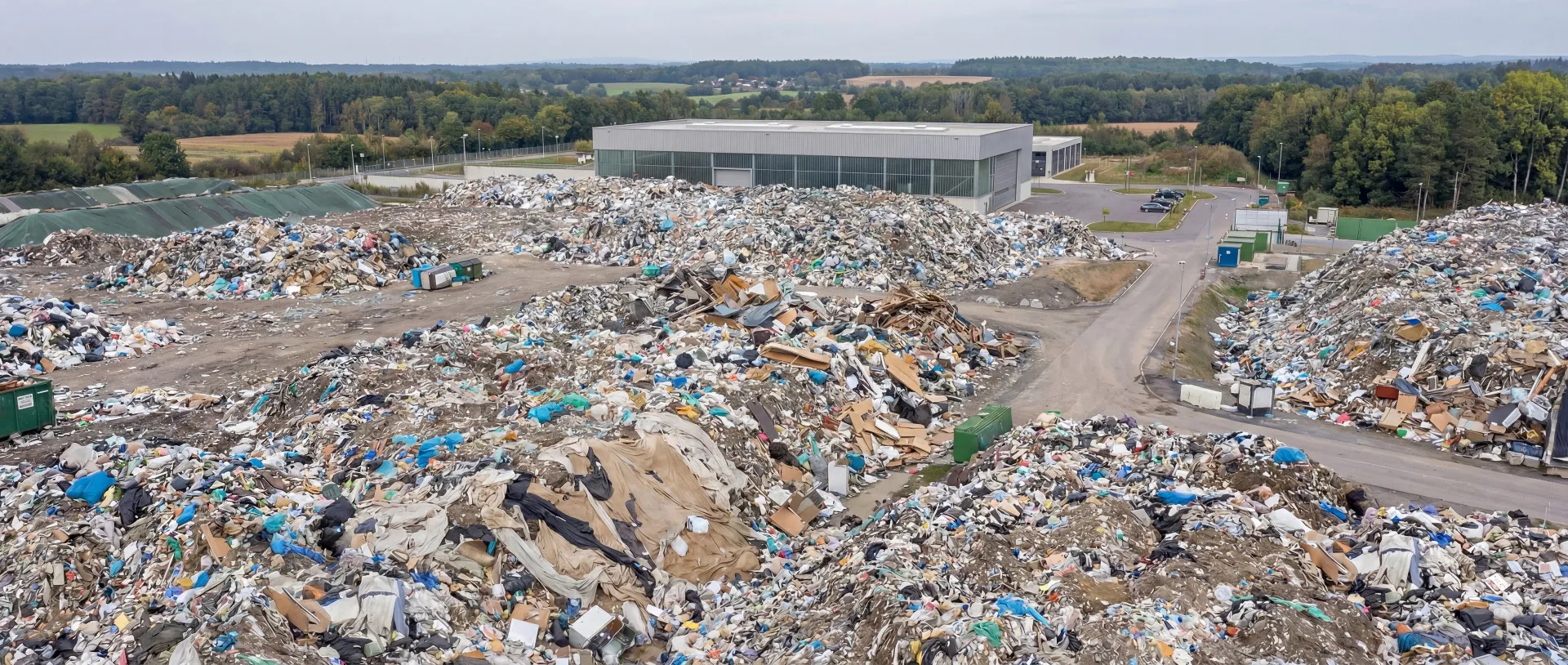
2 billion tonnes a year. 70 percent goes to landfill.
50 billion tonnes of legacy waste already sit in the ground. Incinerators cost $500M and take seven years. Recycling loses a quarter to contamination.
Read more
Rapid Pulse Carbonisation
Five steps, one sealed vessel
A zero-combustion process that turns mixed and organic waste into pure carbon and clean water in a cycle of about two hours.
01
Load
10 t capacity
02
Heat and pressure
500 °C at 10 bar
03
Catalyse
Patented catalyst
04
Carbonise
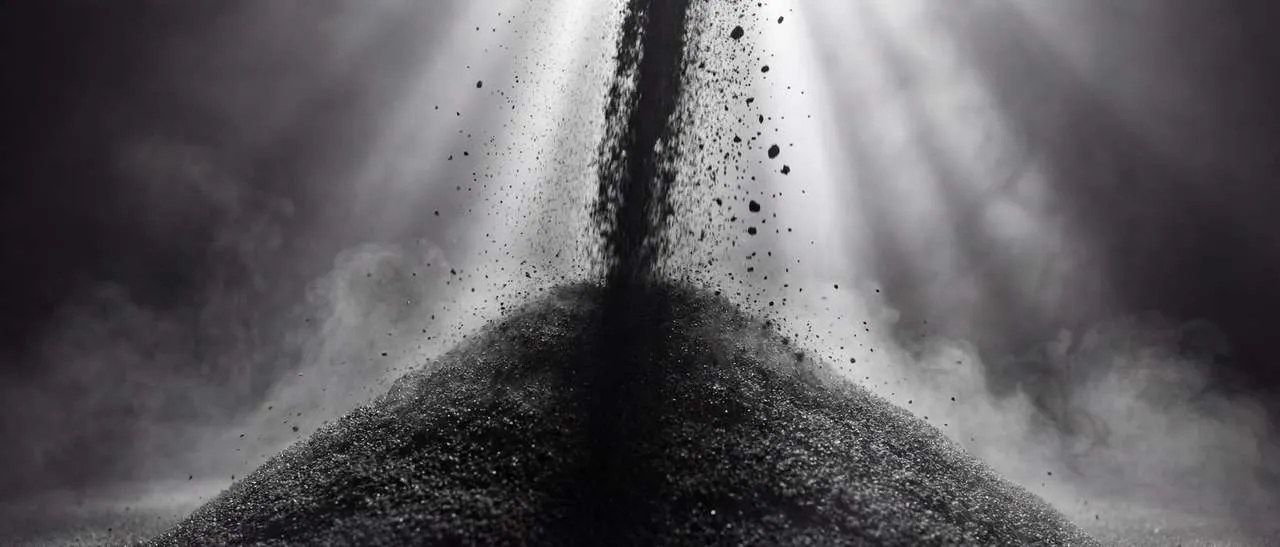
Pure carbon
05
Extract
97.3% purity
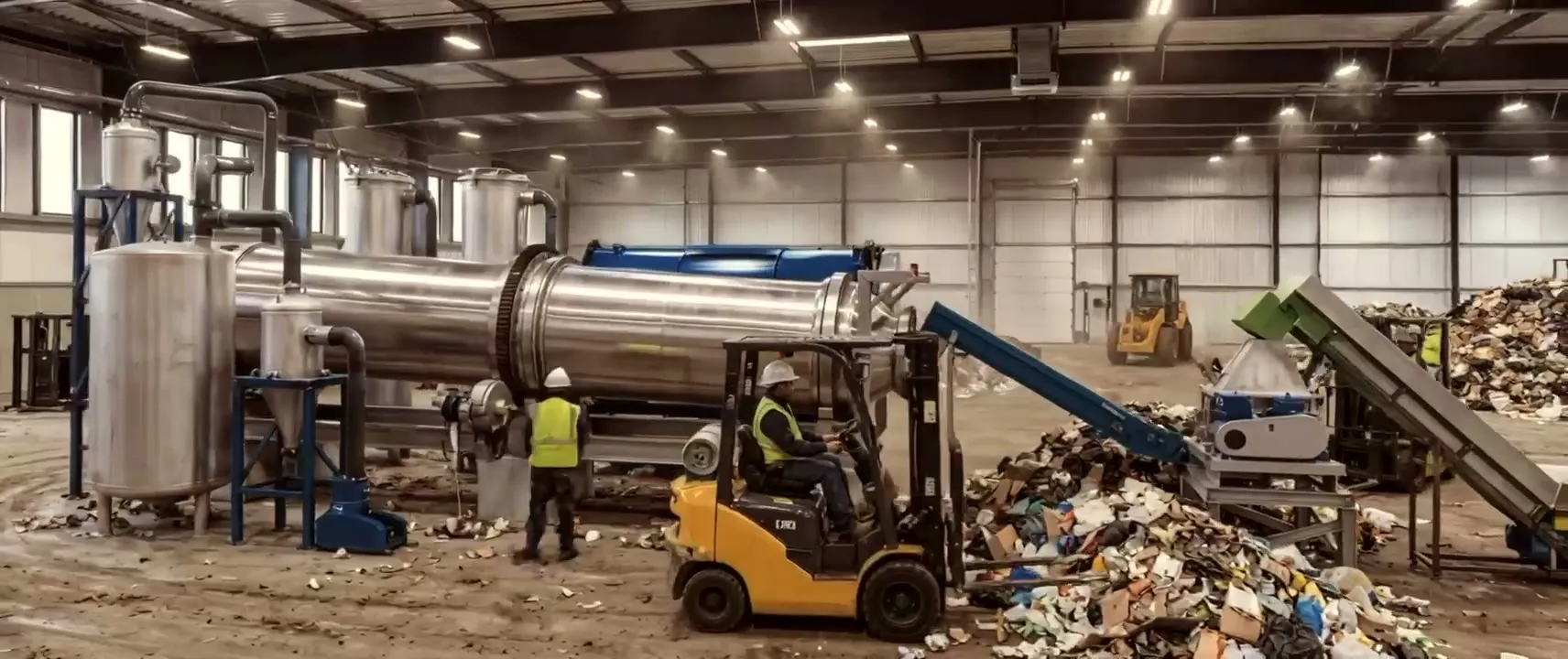
Not a concept
Containerised, modular, ready for partnership.
- Low CapEx
- Months, not years
- Zero emissions
- No sorting required
Recognition
Best Environmental Technology in Australia, 2026
Evergreen Award winner 2026. Australasian Waste and Recycling Expo Awards finalist for Best New Innovation, 2023. Featured in CEO Times.

Questions
Straight answers
What is Rapid Pulse Carbonisation?+
A patented, catalyst-driven process that converts unsorted mixed waste into high-purity carbon black and distilled water inside a sealed vessel at about 500 °C and 10 bar, with no combustion and no toxic emissions. It is a form of catalytic waste carbonisation, and an alternative to waste-to-energy incineration.
How is this different from pyrolysis or incineration?+
Incineration burns waste and releases dioxins, furans and particulates. Pyrolysis heats it without oxygen but still needs sorted feed and produces oils and gas to handle. Rapid Pulse Carbonisation runs sealed, catalyst-assisted, on unsorted feed, and leaves solid carbon and distilled water only.
What waste can the machine take?+
Municipal solid waste, industrial, agricultural and medical waste, plastics, tyres, wood and paper, and legacy landfill material. No pre-sorting. Metal, glass and concrete pass through unchanged.
How big is one unit and how fast does it deploy?+
Each unit is containerised and modular, processes 10 tonnes per cycle, costs under $1M, and deploys in months rather than years. Capacity scales by adding units.
What comes out?+
Carbon black at 97.3 percent purity for tyres, plastics, inks, coatings and batteries, plus distilled water. Every tonne processed also generates tradeable carbon credits.
Ready to turn waste into value?
Governments, landfill owners, waste operators and investors are deploying zero-emission processing with Waste Magic. Tell us about your waste stream.